As part of Gaelic Week 2026 in Edinburgh, we explored Gaelic-language digital media and broadcasting through the generations, and the ways in which the Gaelic media landscape has changed over the years, where it is now, and where it might be going in the future, at a special event at the National Library of Scotland on 26 February.
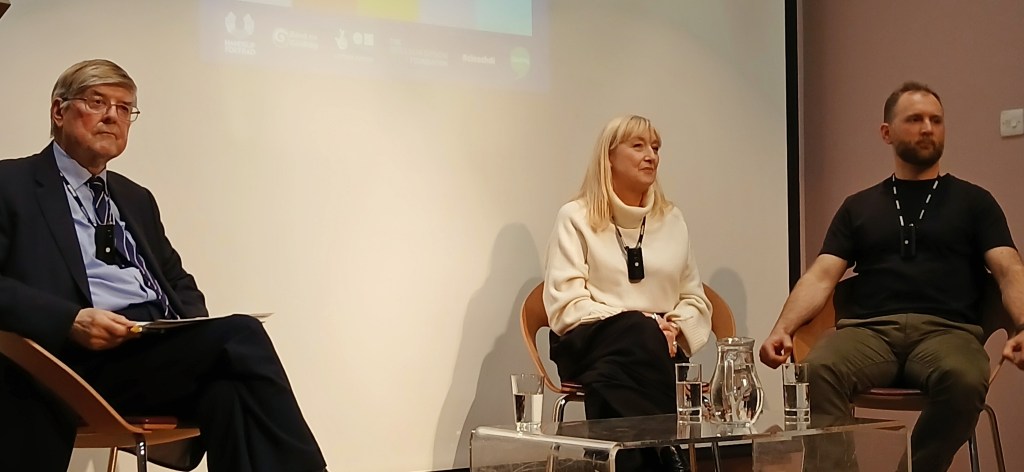
Drawing on the Gaelic Week theme of ‘Use it or Lose it‘ experts Matthew MacIver, Cathy MacDonald and Calum Maclean, representing different periods of the Gaelic media sector, discussed their perspectives on how Gaelic media has represented and supported the community it serves, and how can it contribute to maintaining use of Gaelic in the future. How should we ‘use it’ to avoid ‘losing it’?
The discussion was opened with a discussion of the expansion of Gaelic broadcasting, which developed rapidly following the Broadcasting Act 1990, from a small number of hours of Gaelic broadcasting each week, to a dedicated Gaelic channel in the form of BBC Alba creating hundreds of hours of content each year. That has been an enormous step forward – and which was not expected in the 1990s – but at the same time has not brought all the benefits to Gaelic speakers and Gaelic communities which were originally hoped for. In particular, production can end up centred in Glasgow, and many working in the sector, unless in front of the camera, are not Gaelic speakers.
The sector also has to strike a balance between ensuring that good quality Gaelic is broadcast, and bringing new speakers and those who feel their Gaelic is insufficient, for whatever reason, into broadcasting. Outside contributors of all sorts have been essential to the development of the Gaelic broadcasting, which could not operate without them.
The centrality of the BBC to the development of Gaelic broadcasting was acknowledged, and its continuing importance underlined. Younger Gaelic speakers do not necessarily turn to established Gaelic broadcasters in their media use; however, opportunities for young speakers to be involved in Gaelic TV and radio can be one of the ways of crystalising their connection to the language and many young speakers are seen and heard in Gaelic broadcasting.
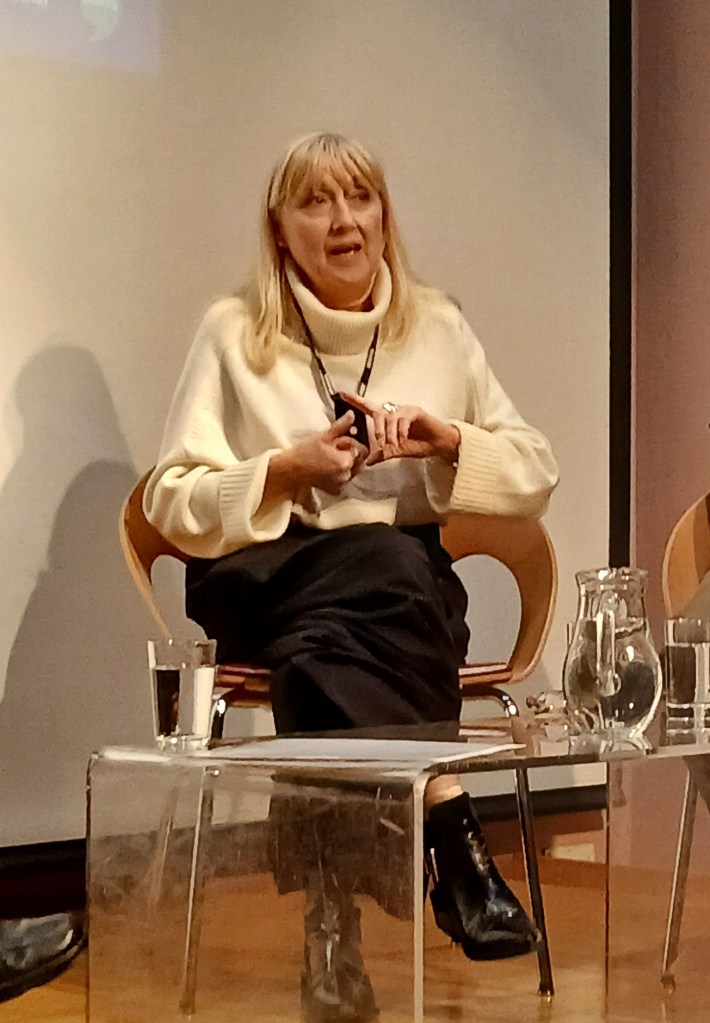
A lively Q&A session closed the event, with questions ranging across subjects such as: Gaelic in the BBC charter renewal, a social media ban for under-16s, models for minority language broadcasting in the UK, and whether young Gaelic speakers find BBC Alba content appealing.
And the outcome of the debate? We still need the specialist broadcasters to inform, entertain, and educate through Gaelic, but it is also essential that Gaelic speakers get involved in new media and create and distribute Gaelic content.
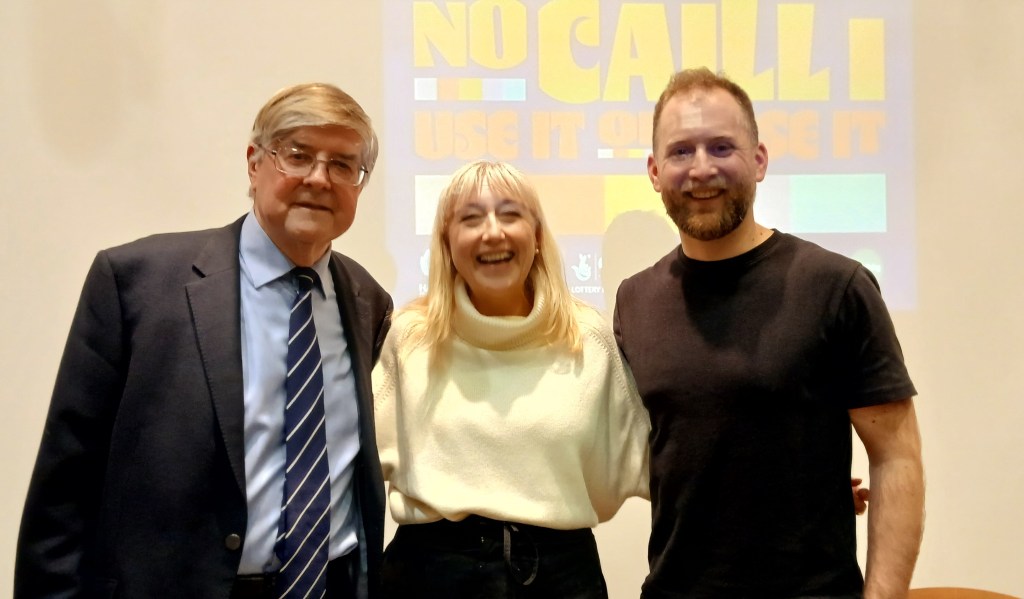
Organised by Ionad Gàidhlig Dhùn Èideann, Capital Gaelic, University of Edinburgh and the National Library of Scotland.
Funded by Seachdain na Gàidhlig‘s Small Grants Fund, with support from Bòrd na Gàidhlig.

 Ionad Gàidhlig Dhùn Èideann